Harnessing Software Innovations to Optimize Swiss CNC Machining
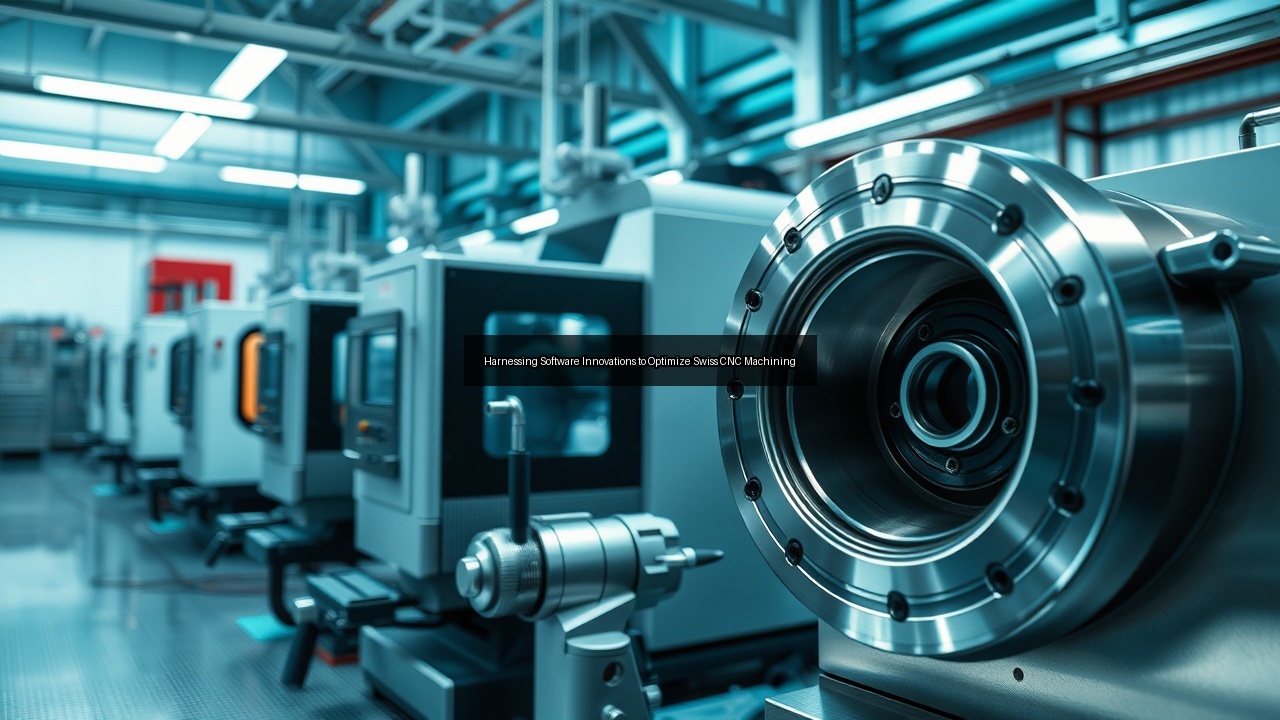
The Evolution of Swiss CNC Machining in Modern Manufacturing
Historical Overview of Swiss CNC Machining
Swiss CNC machining has its roots in the late 19th century, originating from the need for precision manufacturing in the watch industry of Switzerland. The early Swiss lathes, known for their ability to produce small, intricate parts with exceptional tolerances, paved the way for advancements in machining technology. As industries evolved, so did the requirements for precision components. The introduction of CNC (Computer Numerical Control) technology in the 1960s transformed traditional machining processes, making Swiss CNC lathes not only more efficient but also capable of producing complex geometries that were previously unattainable. Today, Swiss CNC machining stands as a benchmark for precision and efficiency in various sectors, setting the stage for continual innovations.
Key Innovations in CNC Technology
Recent decades have witnessed significant innovations in CNC technology, enhancing the capabilities of Swiss CNC machines. One of the most impactful advancements is the integration of advanced software systems that facilitate better programming and operation of CNC machines. These innovations include improved motion control algorithms and dynamic simulation tools that allow manufacturers to optimize machining processes before actual production begins. Furthermore, the introduction of multi-tasking CNC machines, which combine turning and milling operations, has revolutionized the machining landscape. This versatility reduces the need for multiple setups, thus decreasing lead times and increasing overall productivity. Enhanced tool management systems also streamline the workflow, allowing for quick changes and minimal downtime.
Impact of Swiss Lathes on Precision Manufacturing
Swiss lathes have had a profound impact on precision manufacturing across various industries. Their ability to work with small diameters and tight tolerances makes them ideal for producing components such as bushings, connectors, and other intricate parts. The unique sliding headstock design of Swiss lathes enables the use of longer workpieces while maintaining stability and precision. This design feature is crucial for industries that demand high-quality machined parts, such as aerospace and medical device manufacturing. As manufacturers seek to improve their competitiveness, Swiss CNC machining provides the necessary precision and repeatability that modern applications require, reinforcing its importance in today’s manufacturing environment.
Optimizing Processes with Advanced Software Solutions
Integrating CAD Software for Enhanced Design
The integration of CAD (Computer-Aided Design) software into the Swiss CNC machining process has revolutionized how manufacturers approach design and production. CAD software allows engineers and designers to create detailed 3D models of components before any physical machining takes place. This visualization aids in identifying potential design flaws and optimizing geometries for manufacturability. By simulating the machining process, users can predict tool paths and machining speeds, ensuring that the manufacturing process aligns with desired tolerances. This proactive approach minimizes waste and maximizes efficiency, enabling companies to produce high-quality parts consistently. Furthermore, CAD tools often include features for generating CNC code automatically, streamlining the transition from design to actual machining.
Automated Tool Management Systems
Automated tool management systems play a vital role in optimizing Swiss CNC machining operations. These systems track tool usage and wear, ensuring that tools are replaced or maintained at the right intervals. By integrating with CNC machines, automated systems can schedule tool changes without requiring manual intervention, significantly reducing downtime. Efficient tool management also contributes to maintaining high-quality standards. Consistent tool performance leads to better machining outcomes and helps achieve the necessary tolerances. Additionally, these systems provide valuable data analytics, helping companies understand tool life cycles and optimize their inventory management. This proactive approach not only cuts costs but also enhances the overall productivity of CNC machining processes.
Real-time Monitoring and Quality Control Tools
Real-time monitoring and quality control tools have become essential in Swiss CNC machining to ensure precision and efficiency. These tools provide operators with immediate feedback on machine performance, allowing for quick adjustments to maintain optimal operating conditions. Sensors installed on CNC machines monitor various parameters, such as temperature, vibration, and tool wear, sending alerts when deviations occur. Such proactive monitoring helps prevent defects and ensures that components meet stringent quality standards. Furthermore, integrating quality control software with CNC machines streamlines inspection processes. Automated inspection methods, such as laser scanning and vision systems, can assess the integrity of machined parts in real time, reducing the reliance on manual inspections and enhancing overall production reliability.
Applications Across Industries: From Aerospace to Medical Devices
Precision Machining for Aerospace Components
Swiss CNC machining plays a critical role in the aerospace industry, where precision and reliability are paramount. Components such as turbine blades, gear shafts, and housings require meticulous machining to meet strict aerospace standards. The lightweight yet durable materials used in aircraft manufacturing, such as titanium and aluminum, pose unique challenges that Swiss CNC lathes can address effectively. These machines excel in producing complex geometries with tight tolerances, essential for components that must withstand extreme conditions. Moreover, the ability to machine intricate shapes reduces the weight of parts, improving fuel efficiency and overall aircraft performance. As the aerospace sector continues to evolve, Swiss CNC machining remains at the forefront of innovation, consistently meeting the demands of this high-stakes industry.
CNC Machining in the Medical Device Sector
The medical device industry also heavily relies on Swiss CNC machining for the production of precision components such as surgical instruments, implants, and diagnostic equipment. These devices often require intricate designs and must adhere to strict regulatory standards. The high precision offered by Swiss CNC lathes ensures that devices meet the necessary tolerances for functionality and safety. With the integration of advanced manufacturing techniques, companies can produce components with complex geometries that optimize performance and enhance patient outcomes. Furthermore, as medical technology advances, the demand for customized solutions increases. Swiss CNC machining’s adaptability allows manufacturers to pivot quickly and produce bespoke parts tailored to specific medical requirements.
Oil and Gas Industry Requirements and Challenges
The oil and gas industry presents unique challenges for manufacturers, particularly in the production of components that must withstand harsh environments. Swiss CNC machining addresses these challenges by providing high-quality machined parts that meet the rigorous demands of this sector. Components such as valves, fittings, and connectors require precision machining to ensure reliability and safety in critical applications. The ability to work with tough materials like stainless steel and high-nickel alloys makes Swiss CNC machines particularly suited for this industry. Additionally, as the industry shifts towards more sustainable practices, manufacturers must innovate to reduce waste and improve efficiency. Swiss CNC machining’s precision capabilities contribute to minimizing material waste while maintaining high production standards.
Future Trends in Swiss CNC Machining
The Role of AI and Machine Learning
Artificial intelligence (AI) and machine learning are poised to revolutionize Swiss CNC machining in the coming years. These technologies can analyze vast amounts of data generated during machining processes, identifying patterns and optimizing operations. AI-driven predictive maintenance can foresee equipment failures before they occur, allowing manufacturers to schedule repairs proactively, thus minimizing downtime. Machine learning algorithms can also enhance process optimization by adjusting machining parameters in real time based on historical performance data. This capability leads to improved efficiency, higher quality output, and reduced operational costs. As manufacturers embrace these technologies, the integration of AI in Swiss CNC machining will drive innovation and competitiveness in the market.
Sustainability in CNC Machining Practices
Sustainability is becoming increasingly important in manufacturing, including Swiss CNC machining. Companies face pressure to reduce their environmental impact while maintaining high-quality production. Sustainable practices, such as optimizing machining processes to reduce waste and energy consumption, are gaining traction. Swiss CNC machines, known for their precision, can minimize material waste, making them inherently more efficient. Additionally, using eco-friendly lubricants and implementing recycling programs for machining by-products can further enhance sustainability efforts. Manufacturers are also exploring renewable energy sources for powering CNC machines, contributing to a more sustainable manufacturing environment. Embracing these practices not only benefits the planet but can also improve a company's bottom line through cost savings.
Next-Generation CNC Machining Centers
Next-generation CNC machining centers are set to redefine the capabilities of Swiss CNC machining. These advanced machines integrate multiple functionalities, allowing for turning, milling, and even additive manufacturing within a single setup. This versatility enables manufacturers to tackle complex projects that require different machining processes without changing setups. Enhanced automation features, such as robotic arms for loading and unloading parts, increase throughput while reducing labor costs. Furthermore, advancements in software solutions provide users with intuitive interfaces for programming and monitoring operations. As technology continues to evolve, next-generation CNC machining centers will empower manufacturers to produce high-quality components faster and more efficiently than ever before, solidifying Swiss CNC machining's place in the future of manufacturing.
See Also
- Innovative Tooling Solutions for Swiss CNC Machining Success
- How Swiss CNC Lathes Are Revolutionizing Medical Device Production
- Mastering Tolerances in Swiss CNC Machining for High-Precision Parts
- Exploring the Advantages of Swiss CNC Machining in Oil and Gas Industries
- From CAD to Production the Swiss CNC Machining Journey