Unlocking Precision in Aerospace with Swiss Machining Techniques
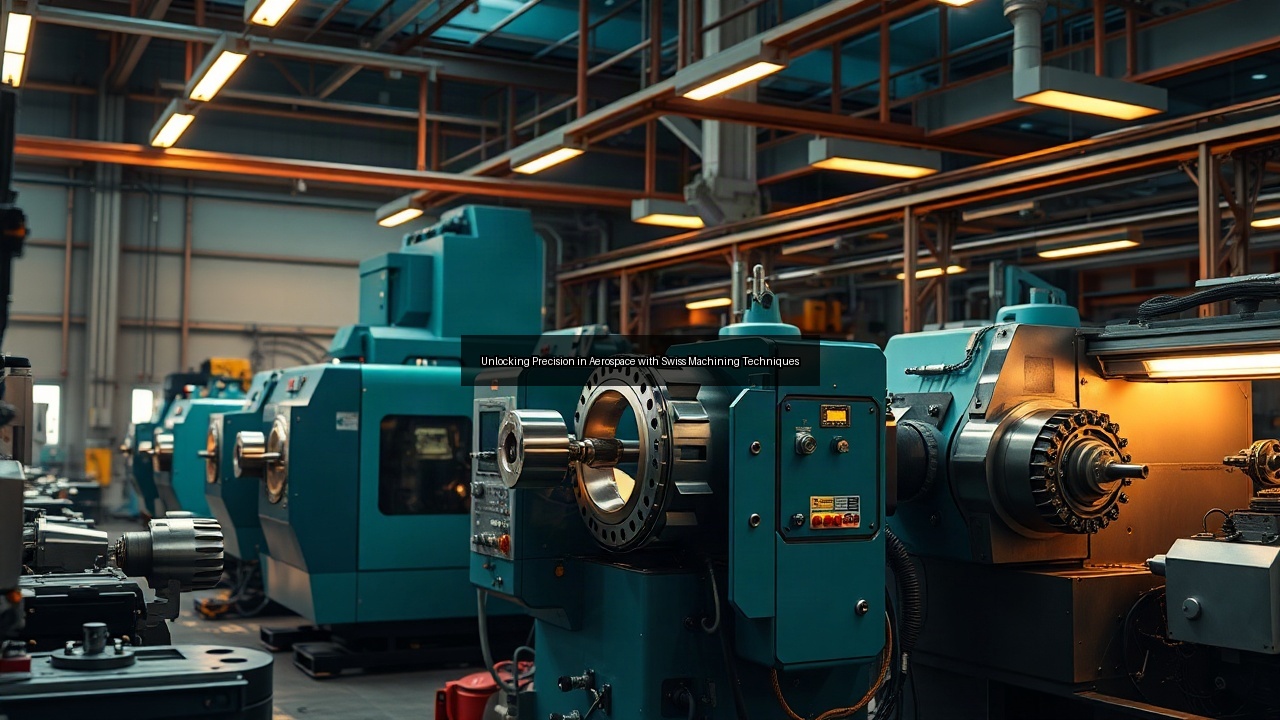
The Evolution of Swiss Machining in Aerospace
Historical Overview of Swiss Machining
Swiss machining traces its roots back to the late 19th century in Switzerland, where it revolutionized the production of small, precise parts. Initially designed to manufacture watch components, the Swiss style lathe evolved into a vital tool for various industries, including aerospace. This historical context highlights the precision and efficiency inherent in Swiss machining techniques. The method's adaptability allowed it to thrive in sectors requiring high-quality, machined components, setting the stage for its integration into aerospace manufacturing. Over the decades, advancements in technology have expanded the capabilities of Swiss machining, allowing for the production of increasingly complex geometries. This evolution reflects a broader trend in manufacturing, where precision and reliability remain paramount.
Innovations in Swiss Lathe Technology
Innovations in Swiss lathe technology have significantly enhanced the capabilities of machining processes. The introduction of computer numerical control (CNC) to Swiss lathes marked a major turning point, allowing for the automation of intricate tasks. This integration enables machine shops to achieve higher volumes of production without sacrificing accuracy. Modern Swiss lathes now incorporate multiple axes, allowing for simultaneous machining of various features on a single component. These advancements have positioned Swiss machining as a go-to solution for aerospace manufacturers looking to produce intricate parts quickly and efficiently. The ability to program complex machining operations has streamlined workflows, reduced lead times, and improved overall productivity.
Impact of CNC Machines on Swiss Machining
CNC machines have transformed Swiss machining by enhancing precision and reducing human error. The ability to program complex machining sequences ensures that each part meets stringent aerospace standards. CNC Swiss machining allows for high-speed operations, significantly increasing production rates while maintaining the quality expected in the aerospace industry. Moreover, the consistency provided by CNC machining processes enables manufacturers to produce parts with minimal variations, critical in applications where even the slightest deviation can have serious consequences. The synergy between CNC technology and Swiss machining techniques continues to push the boundaries of what’s possible in aerospace manufacturing, paving the way for innovative applications and designs.
Key Advantages of Swiss Machining Techniques
Precision and Accuracy in Aerospace Components
Swiss machining techniques excel in producing precision components essential for aerospace applications. The unique design of Swiss style lathes allows for the creation of intricate parts with tight tolerances, crucial for ensuring the safety and performance of aircraft. The continuous feed of material through the lathe minimizes the risk of errors, enhancing the overall accuracy of machined components. This level of precision is particularly vital when manufacturing parts like screws and other fasteners that must fit perfectly within an assembly. The aerospace industry demands components that can withstand extreme conditions, and Swiss machining consistently delivers high-quality parts that meet or exceed these rigorous standards.
Enhanced Productivity through Automation
Automation plays a pivotal role in boosting productivity within Swiss machining processes. The integration of CNC machines allows for unattended operation, meaning that machine shops can run multiple machines simultaneously. This capability drastically reduces downtime and increases output volumes. Additionally, the automated systems reduce the reliance on manual labor, which can introduce variability and potential errors. Enhanced productivity not only benefits manufacturers in terms of cost savings but also allows them to respond quickly to market demands. As aerospace projects often involve tight deadlines, the ability to ramp up production efficiently becomes a competitive advantage.
Versatility with Complex Geometries
Swiss machining techniques offer remarkable versatility, particularly when it comes to creating complex geometries. Manufacturers can design and produce components that feature multiple intricate shapes and profiles, all within a single setup. This capability significantly reduces the need for secondary operations, streamlining the production process. Aerospace components often require unique designs to meet specific performance criteria, and Swiss machining can accommodate these needs effectively. The ability to produce complex geometries also facilitates innovation in aerospace design, allowing engineers to explore new possibilities while ensuring that parts are manufacturable within tight tolerances.
Essential Components of Swiss Machining Systems
Understanding Swiss Style Lathes
Swiss style lathes are the cornerstone of Swiss machining systems, featuring a unique design that maximizes precision and efficiency. These lathes employ a sliding headstock, which allows for the workpiece to be continuously fed into the cutting zone, reducing the distance that the machined part must travel. This design is particularly advantageous when machining small, intricate components, as it minimizes the risk of errors during the process. Swiss lathes also offer multi-spindle capabilities, enabling simultaneous machining of multiple components, thus enhancing production efficiency. Understanding the intricacies of these machines is crucial for aerospace manufacturers aiming to harness the full potential of Swiss machining techniques.
The Role of Tooling in Precision Machining
Tooling plays a critical role in the success of Swiss machining operations. The right tooling ensures that the machines can achieve the desired precision and finish on aerospace components. High-quality cutting tools, designed specifically for Swiss lathes, can significantly influence the overall efficiency and effectiveness of the machining process. Tooling must be carefully selected based on the material being machined, such as nickel or other advanced alloys commonly used in aerospace applications. Moreover, the use of specialized tooling can enhance productivity by enabling faster machining times and longer tool life, ultimately leading to cost savings for manufacturers.
Software Solutions for Optimizing Production
Software solutions play a vital role in optimizing Swiss machining production. Advanced machining software allows operators to program CNC machines with precision, enabling the execution of complex machining tasks with ease. These software systems offer simulation capabilities, allowing manufacturers to visualize the machining process before actual production begins. This feature helps identify potential issues and optimize tool paths, reducing material waste and improving overall efficiency. Additionally, software solutions can integrate with production management systems, providing real-time data on machine performance and productivity. Investing in robust software solutions enhances the overall effectiveness of Swiss machining processes, leading to superior aerospace components.
Future Trends in Swiss Machining for Aerospace
Integration of Advanced Materials like Nickel
The aerospace industry increasingly relies on advanced materials to enhance performance and reduce weight. Nickel-based alloys, for instance, offer exceptional strength and resistance to high temperatures, making them ideal for aerospace applications. Swiss machining techniques are well-suited for these materials, as the precise machining capabilities can effectively handle the challenges posed by harder alloys. The integration of advanced materials into Swiss machining processes not only improves component performance but also aligns with the industry's push for innovation and efficiency. As aerospace manufacturers continue to explore new materials, Swiss machining will remain at the forefront, adapting to meet the evolving demands of the industry.
The Rise of Swiss CNC Machining
Swiss CNC machining is gaining traction as manufacturers seek to enhance their production capabilities. The combination of Swiss machining techniques with CNC technology enables the production of high-precision components at unprecedented speeds. This trend reflects a broader shift towards automation and digitalization in manufacturing. The rise of Swiss CNC machining allows for greater flexibility in production runs, enabling manufacturers to switch between different parts with minimal downtime. This adaptability is particularly beneficial in the aerospace sector, where projects often require rapid prototyping and quick adjustments. As Swiss CNC machining continues to evolve, it will undoubtedly play a critical role in shaping the future of aerospace manufacturing.
Sustainable Practices in Swiss Machining
Sustainability has become a key focus for many industries, including aerospace. Swiss machining practices are evolving to incorporate sustainable methods that reduce waste and energy consumption. Implementing eco-friendly machining processes, such as minimizing coolant usage and recycling scrap materials, contributes to more sustainable operations. Machine shops are increasingly investing in energy-efficient machines and practices to lower their carbon footprint. The aerospace sector's commitment to sustainability aligns perfectly with the efficiency gains offered by Swiss machining techniques. As the industry continues to prioritize environmental responsibility, Swiss machining will adapt, showcasing its ability to meet both performance and sustainability goals.