Mastering Pipeline Girth Welding Techniques for Maximum Strength
Understanding Pipeline Girth Welding
Overview of Girth Welding Techniques
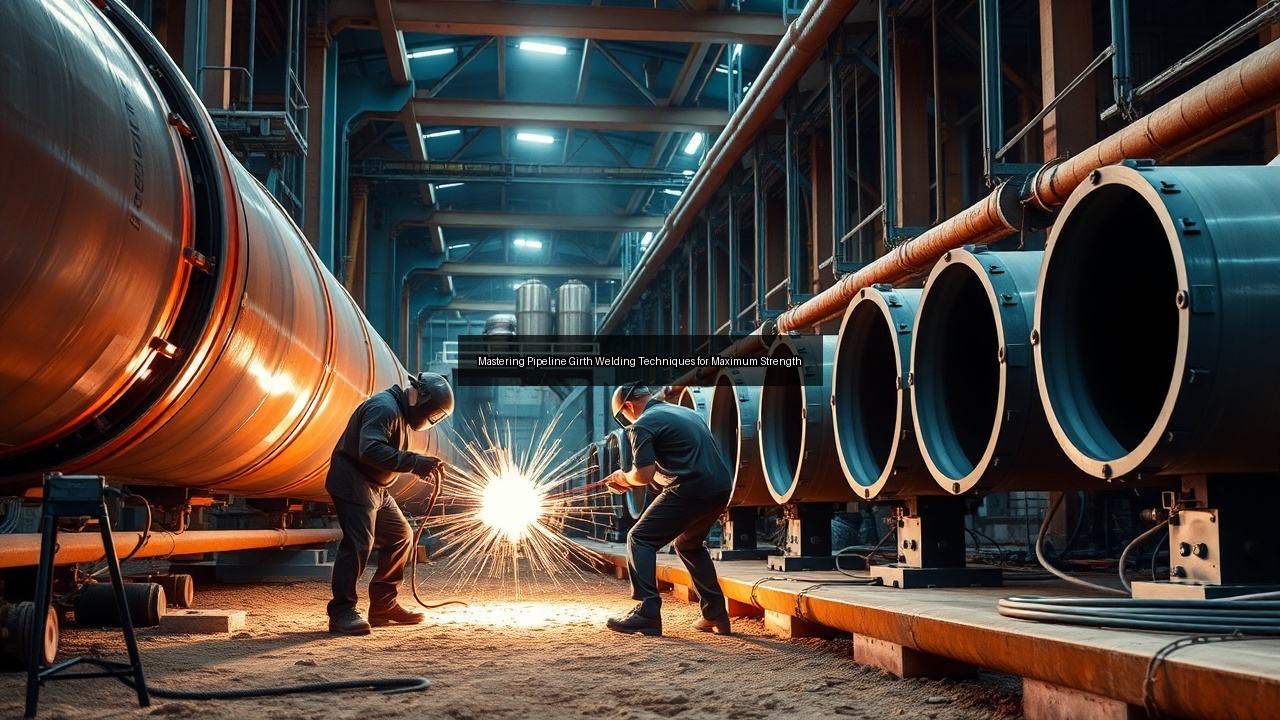
Pipeline girth welding joins sections of pipe end to end through circumferential seams that create continuous flow paths across long distances. Operators rely on shielded metal arc welding and gas metal arc welding for field work because these processes deliver reliable fusion under varying site conditions. Friction stir welding enters the picture for projects that demand lower heat input and reduced distortion in the joint area. Each method targets the root pass first to establish full penetration before adding fill and cap layers that build overall strength. Welders adjust travel speed and amperage to match pipe wall thickness and material grade. Pipeline girth welding succeeds when crews maintain consistent parameters that prevent lack of fusion or undercut at the edges. Modern crews document every pass to track how technique choices affect final joint performance across diverse pipeline routes.
Importance of Girth Welds in Pipeline Construction
Girth welds form the backbone of pipeline construction because they connect individual pipe lengths into a single pressure-containing system. A single weak joint can compromise the entire line and lead to leaks or ruptures under operating stress. Engineers design these welds to carry axial loads, internal pressure, and external soil movement without failure. Pipeline girth welding therefore receives focused attention during construction planning to meet code requirements and project specifications. Crews prepare bevels on pipe ends to create the proper root opening that allows complete fusion. The resulting welds must resist both hoop stress and longitudinal strain throughout the service life of the pipeline. Strong girth welds reduce maintenance costs and extend asset life by eliminating stress concentration points that would otherwise initiate cracks.
Factors Affecting Weld Strength
Material composition, heat input, and joint geometry directly control the strength of any girth weld. High-strength pipe steels require careful control of cooling rates to avoid brittle microstructures in the heat-affected zone. Welders monitor interpass temperature to prevent excessive grain growth that lowers toughness. The root bead demands special attention because it experiences the highest strain during subsequent passes. Pipeline girth welding procedures specify filler metals matched to the base metal to maintain corrosion resistance and mechanical properties. Environmental factors such as wind and humidity also influence arc stability and shielding gas effectiveness. Proper fit-up minimizes gaps that create stress risers once the weld solidifies. Attention to these variables produces joints capable of withstanding cyclic loading and ground movement over decades of operation.
Welding Techniques and Methods
Traditional Welding Methods vs. Friction Stir Welding
Traditional arc welding methods remain the workhorse for most pipeline girth welding because they operate reliably in remote locations with portable equipment. Shielded metal arc welding and gas tungsten arc welding produce sound joints when welders follow qualified procedures. Friction stir welding offers an alternative that generates heat through mechanical friction rather than an electric arc. This solid-state process reduces residual stress and eliminates solidification cracking risks common in fusion welds. Crews achieve higher travel speeds with friction stir welding on certain aluminum and steel grades while preserving base metal properties. Pipeline projects evaluate both approaches based on material thickness, access constraints, and required mechanical properties. Traditional methods still dominate large-diameter steel lines, yet friction stir welding gains ground where distortion control and weldability improvements matter most.
Advantages of Using Stainless Steel in Girth Welds
Stainless steel provides superior corrosion resistance in girth welds exposed to aggressive fluids or soil environments. The chromium content forms a passive oxide layer that protects the joint long after construction ends. Pipeline girth welding with stainless steel requires precise control of heat input to prevent carbide precipitation that reduces corrosion performance. Welders use low-carbon grades and matching filler metals to maintain the benefits of the alloy. Stainless steel joints also exhibit good toughness at low temperatures, which suits arctic pipeline routes. The material welds cleanly when surfaces receive proper cleaning before each pass. Projects that specify stainless steel for critical sections gain extended service intervals and lower inspection frequency because the welds resist pitting and stress corrosion cracking more effectively than carbon steel alternatives.
Weldability Considerations for Different Materials
Weldability varies with alloying elements, thickness, and prior heat treatment of the pipe material. Carbon steel pipes accept a wide range of processes, yet higher strength grades need preheat and controlled cooling to avoid hydrogen cracking. Pipeline girth welding on duplex stainless steels demands strict limits on heat input to preserve the balanced ferrite-austenite microstructure. Plastic deformation during welding can alter local properties, so procedures account for strain aging effects. Welders test procedure qualification records on sample joints that replicate field conditions. The scope of material combinations continues to expand as pipelines transport new products that require upgraded metallurgy. Matching welding parameters to each alloy ensures the final welds meet toughness and strength targets without introducing defects that compromise integrity.
Weld Inspection and Quality Assurance
Methods of Girth Weld Inspection
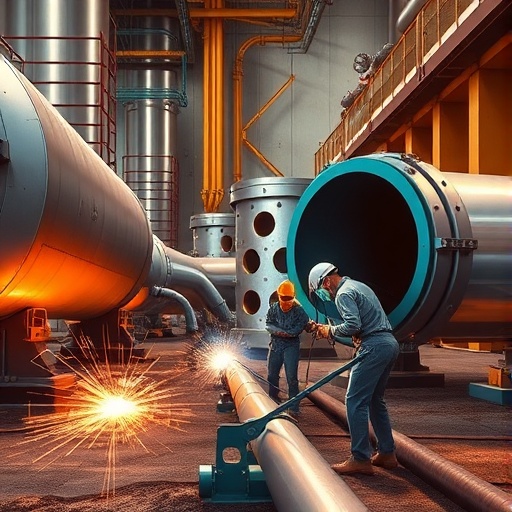
Visual examination starts every weld inspection sequence by checking for surface irregularities such as undercut, porosity, or incomplete fusion. Welders grind the cap smooth when specifications require it before further testing begins. Radiographic testing reveals internal volumetric defects, while magnetic particle testing highlights surface-breaking cracks. Pipeline girth welding crews integrate these methods into a layered approach that catches defects at different stages. Documentation of each inspection result supports traceability throughout the pipeline construction project. Qualified inspectors apply acceptance criteria from applicable codes to decide whether a weld requires repair. Consistent application of these techniques builds confidence that every joint will perform under operational loads.
Role of Non-Destructive Testing in Ensuring Weld Integrity
Non-destructive testing evaluates girth welds without damaging the joint or surrounding pipe. Ultrasonic testing and radiographic methods form the core of most pipeline inspection programs. These techniques detect lack of fusion, porosity, and cracks that visual checks miss. Non-destructive testing occurs after each critical weld pass and again after completion to verify the entire joint. Pipeline girth welding specifications define the percentage of welds that receive full examination based on service conditions and consequence of failure. Data from these tests feed into quality records that demonstrate compliance with design requirements. Effective use of non-destructive testing reduces the likelihood of in-service leaks and supports long-term pipeline reliability.
Ultrasonic Testing: A Deep Dive into Weld Evaluation
Ultrasonic testing sends high-frequency sound waves through the weld metal and records reflections from any discontinuities. Technicians scan the entire circumference of the girth weld using shear wave probes angled to intercept potential defects at the root and sidewall locations. Modern phased array systems produce detailed images that locate and size indications with high accuracy. Pipeline girth welding benefits from ultrasonic testing because the method works on thick walls where radiographic contrast decreases. Calibration blocks with known reflectors ensure consistent sensitivity across different pipe diameters. Results guide repair decisions and confirm that repaired areas meet the same acceptance standards as original welds. Ultrasonic inspection therefore plays a central role in verifying the strength and durability of every completed joint.
Addressing Challenges in Pipeline Girth Welding
Managing Corrosion Risks in Welded Joints
Corrosion attacks girth welds when protective coatings fail or when the weld metal exhibits different electrochemical potential than the pipe. Pipeline girth welding crews apply field joint coatings immediately after inspection to seal the area against moisture and soil electrolytes. Stainless steel weld caps provide additional protection on lines carrying corrosive products. Regular monitoring through cathodic protection systems further reduces corrosion risk at joints. Welders avoid creating crevices or undercut that trap corrosive media. Literature on pipeline failures shows that many leaks originate at poorly protected girth welds, underscoring the need for integrated coating and inspection programs. Proper material selection and surface preparation extend the life of these critical connections.
Temperature Control During the Welding Process
Precise temperature management prevents cracking and maintains desired microstructures in pipeline girth welding. Preheat torches raise the pipe to the minimum required temperature before the root pass begins. Interpass temperature limits keep subsequent passes from overheating previously deposited metal. Welders use contact pyrometers or infrared sensors to verify compliance at multiple locations around the joint. Excessive heat input from slow travel speeds can reduce toughness, while insufficient heat causes incomplete fusion at the root. Pipeline projects in extreme climates add windbreaks and heated enclosures to stabilize conditions. Consistent temperature control directly contributes to the final strength and toughness of every girth weld.
Literature Review on Girth Welding Innovations
Recent literature highlights advances in automated orbital welding systems that improve consistency during pipeline girth welding. Studies compare friction stir welding outcomes against traditional arc processes on high-strength steels. Researchers document how platinum markers placed in test welds help track strain distribution during mechanical testing. Other papers examine weldability of new pipe grades developed for high-pressure service. The collected findings emphasize the value of real-time monitoring sensors that adjust parameters mid-pass. Pipeline operators review this literature when updating procedures to incorporate proven innovations that increase joint strength and reduce repair rates. Continuous study of published data keeps construction practices aligned with the latest technical understanding.
Best Practices for Maximizing Girth Weld Strength
Developing Effective Girth Weld Procedures
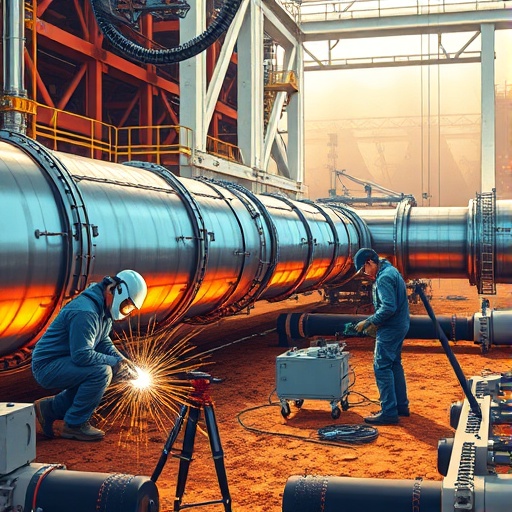
Effective procedures start with thorough procedure qualification testing on sample joints that match production pipe. Engineers record all variables including amperage, voltage, travel speed, and shielding gas composition. Pipeline girth welding procedures specify bevel angles, root gaps, and cleaning methods that produce consistent results across multiple welders. Documentation includes mechanical test results for tensile strength, Charpy impact, and hardness. Approved procedures become the standard that every crew follows in the field. Regular reviews update parameters when new materials or equipment enter service. Clear procedures eliminate variation and deliver girth welds that meet or exceed design strength requirements.
Understanding the Role of the Welder in Strength Optimization
The welder controls torch angle, travel speed, and arc length that determine fusion quality at the root and sidewalls. Skilled welders recognize subtle changes in the weld pool and adjust technique instantly to maintain complete penetration. Pipeline girth welding training programs emphasize both theory and hands-on practice under simulated field conditions. Welders who understand metallurgy make better decisions about preheat and interpass temperatures. Their attention to detail prevents defects that reduce joint strength. Certification programs verify that each welder can produce sound welds on the specific materials and diameters used in the project. The human element remains essential even as automation increases.
Post-Weld Inspection: Ensuring Long-Term Durability
Post-weld inspection confirms that girth welds meet all acceptance criteria before the pipeline is buried or commissioned. Ultrasonic testing and radiographic examination provide the final verification of internal quality. Weld inspection records become part of the permanent project documentation. Any repairs undergo the same inspection sequence to verify restoration of full strength. Pipeline operators schedule periodic in-line inspections that include girth weld evaluation throughout the asset life. This ongoing attention catches degradation early and supports proactive maintenance. Thorough post-weld inspection combined with proper construction practices produces pipelines that operate safely for decades.
See Also
- Friction Stir Welding vs Traditional Methods in Pipeline Girth Applications
- Understanding Girth Weld Procedures for Sustainable Pipeline Construction
- Ultrasonic Testing Techniques to Enhance Girth Weld Evaluation
- Exploring the Importance of Weld Inspection in Pipeline Girth Weld Quality
- Pipeline Girth Welding Challenges and Solutions for Modern Construction