Transforming Engineering Plastics into Custom Machined Parts with Precision
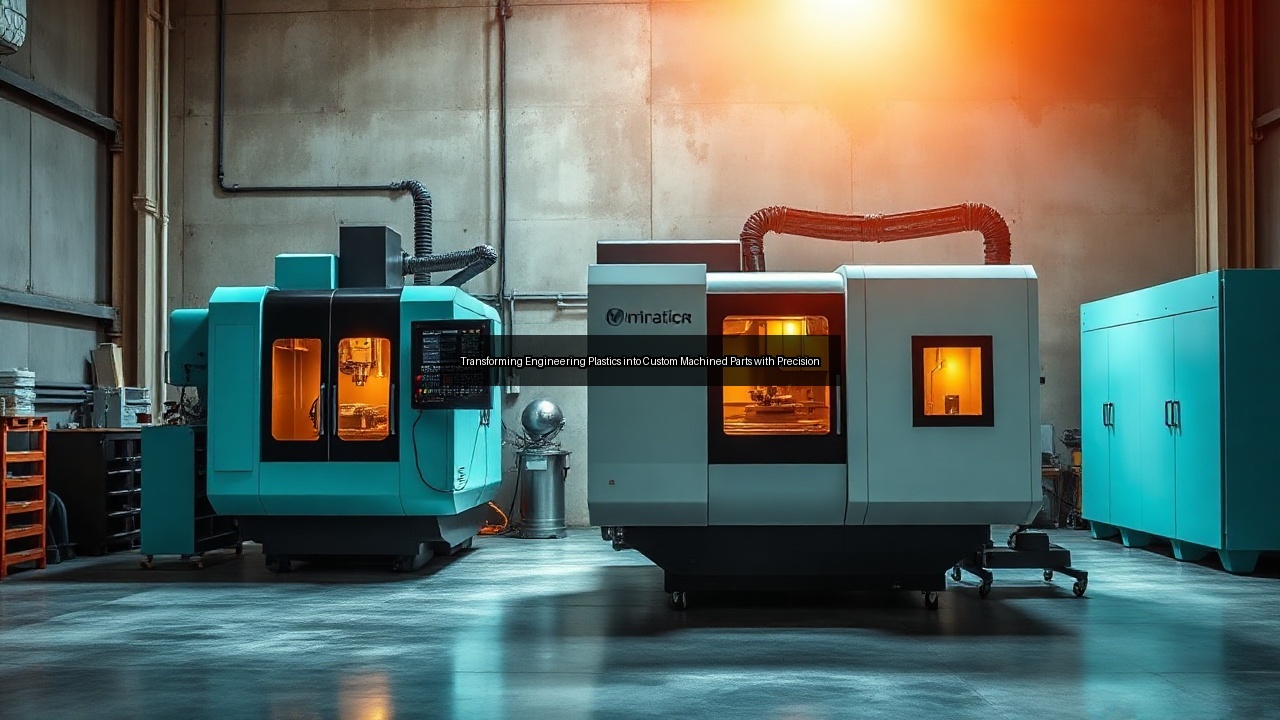
The Role of CNC Plastic Machining in Engineering
Understanding CNC Machining for Plastics
CNC machining for plastics starts with computer-controlled tools that remove material from solid stock to create precise components. Engineers load CAD files into CNC systems, which guide cutting tools along exact paths. This process handles engineering plastics like acetal and PEEK without melting or warping when operators select proper feeds and speeds. Machinists clamp the workpiece securely on the table of a CNC mill, then execute programs that produce consistent results across production runs. The method supports tight tolerances down to 0.001 inches, which suits applications demanding repeatability. Operators monitor coolant flow to keep temperatures low and prevent thermal distortion in heat-sensitive materials.
Advantages of CNC Machining for Custom Parts
CNC machining delivers custom parts with superior accuracy and repeatability compared to manual methods. Shops produce intricate geometries in a single setup, reducing handling errors and lead times. Engineers achieve smooth surface finishes that often eliminate secondary polishing. The process scales from prototypes to thousands of units without tooling changes, keeping costs predictable. Custom machined parts maintain dimensional stability even after repeated use because CNC programs lock in every cut. Teams iterate designs quickly by editing code rather than rebuilding fixtures. This flexibility supports industries that require rapid adjustments to meet evolving specifications.
Comparison of CNC Machining and Traditional Plastic Fabrication
CNC machining outperforms traditional plastic fabrication in precision and complexity. Injection molding requires expensive molds and long setup times, while CNC starts from raw stock and finishes parts in hours. Routing and milling operations on a CNC mill create undercuts and internal features that stamping or vacuum forming cannot achieve. Plastic fabrication methods like welding or bonding introduce weak joints, whereas machined parts retain full material strength. CNC also handles low-volume runs economically, avoiding the high minimum orders typical of molding. Engineers choose CNC when designs demand tight fits or when material properties must remain unaltered by heat.
Materials Used in CNC Plastic Machining
High-Performance Plastics: An Overview
High-performance plastics withstand extreme temperatures, chemicals, and mechanical stress better than commodity resins. Materials such as PEEK, ULTEM, and PTFE offer excellent strength-to-weight ratios and low friction coefficients. Machinists select these polymers for parts that operate in aerospace engines or semiconductor equipment. CNC equipment removes material cleanly from these stocks when operators apply sharp carbide tools and controlled chip loads. The resulting components resist creep and maintain seals under pressure. Engineers specify high-performance plastics when metal parts add unnecessary weight or corrode in aggressive environments.
Machining with ULTEM: Benefits and Applications
ULTEM provides high heat resistance and dielectric strength, making it ideal for electrical insulators and aerospace brackets. CNC machining centers cut ULTEM without chipping when feeds remain moderate and tools stay sharp. Parts machined from ULTEM retain dimensional stability up to 340°F continuous use. Manufacturers produce custom manifolds and sensor housings that withstand repeated sterilization cycles. The material machines to fine threads and precise bores, supporting leak-free fluid systems. Engineers value ULTEM for its flame retardancy and low smoke emission in confined spaces.
Teflon (PTFE) in Custom Machined Parts
Teflon, or PTFE, excels in chemical resistance and low friction applications. CNC milling produces seals, bearings, and gaskets from PTFE that operate in corrosive media where metals fail. Operators use sharp tools and light cuts to avoid stringing because PTFE tends to deform under pressure. Machined Teflon components maintain flexibility across wide temperature ranges from cryogenic to 500°F. Shops create custom valve seats and piston rings that reduce wear in pumps and compressors. The material’s nonstick surface also prevents product buildup in food processing equipment.
Precision Machining Techniques and Equipment
Overview of CNC Machining Centers
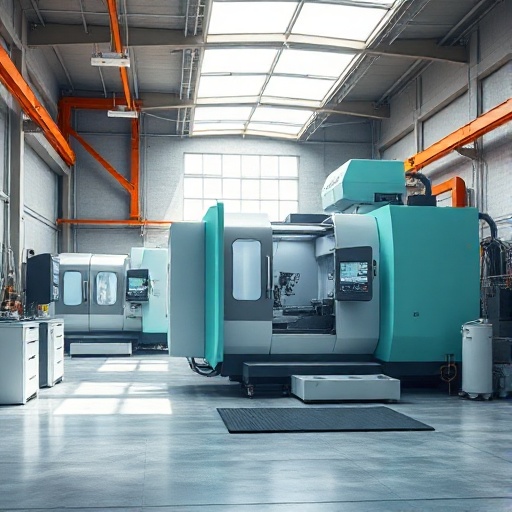
CNC machining centers combine multiple axes to perform drilling, milling, and turning in one setup. Five-axis models tilt the spindle or rotate the part to reach complex angles without repositioning. These centers hold tolerances consistently across batches because servo motors drive every movement with micron-level feedback. Operators load engineering plastics onto vacuum tables or custom fixtures that prevent vibration. Integrated probing verifies dimensions mid-cycle and adjusts offsets automatically. Shops equipped with modern machining centers complete intricate nonmetallic parts faster than older manual equipment.
The Importance of Routing and Milling in Plastic Machining
Routing and milling remove material efficiently while preserving surface quality on plastics. High-speed spindles on CNC mills produce clean edges on acrylic and polycarbonate without melting. Climb milling reduces burr formation, which simplifies deburring and improves part appearance. Technicians select end mills with specific helix angles that evacuate chips quickly from ductile materials like acetal. Proper routing paths avoid tool deflection that could distort thin walls. These techniques enable production of lightweight structural components that meet strict weight budgets in automotive and medical devices.
Innovative Techniques for Machining Complex Nonmetallic Parts
Innovation in plastic machining includes trochoidal milling paths that maintain constant tool engagement and reduce heat buildup. Shops apply ultrasonic-assisted machining to improve chip evacuation in deep pockets. Adaptive clearing strategies adjust feed rates based on material removal volume, extending tool life when cutting abrasive fillers. Engineers program simulations to detect collisions before running code on expensive stock. These advances allow production of parts with internal lattices and undercuts that previously required assembly. The result is stronger, lighter components produced in fewer operations.
Choosing the Right CNC Plastic Machining Manufacturer
What to Look for in an Experienced Machining Partner
An experienced plastic machining partner maintains documented processes for every material grade and maintains traceability on raw stock. Look for shops that invest in temperature-controlled environments to stabilize dimensions during long runs. Review their portfolio of custom parts machined from engineering plastics to confirm capability with your required tolerances. Ask about inspection equipment, including CMMs and optical comparators, that verify critical features. Partners who train machinists on polymer-specific techniques deliver higher yields and fewer scrapped parts.
Evaluating Specialists in High-Performance Plastic Components
Specialists in high-performance plastic components understand how different polymers react to cutting forces and coolants. They stock certified material lots and perform first-article inspections on every new job. Evaluate their experience turning PEEK, acetal, and PTFE into custom components that meet aerospace or FDA standards. Request references from clients who needed precision components made from advanced polymers under tight deadlines. Shops with dedicated plastic-only machines avoid cross-contamination that can compromise cleanliness in medical or semiconductor applications.
Benefits of Working with American CNC Machining Companies
American CNC machining companies provide faster communication and shorter shipping times than overseas suppliers. Domestic partners comply with ITAR and other regulations that protect intellectual property. Engineers gain real-time updates during production and can visit facilities to review setups. American shops often source materials from domestic mills, ensuring consistent quality and shorter lead times. Working locally also simplifies returns and design revisions when specifications evolve mid-project.
Applications and Industries for Custom Machined Plastic Parts
Industries Benefiting from Precision Plastic Components
Aerospace, medical, and semiconductor industries rely on precision plastic components for weight savings and corrosion resistance. Custom machined parts appear in aircraft interiors, surgical instruments, and wafer handling tools. Oil and gas operators use PTFE seals that endure sour gas environments. Food processors choose acetal gears that resist wear without lubrication. Each sector demands parts built to specification that perform reliably under unique stresses.
Turning PEEK, Acetal, and PTFE into Custom Components
Turning PEEK, acetal, and PTFE into custom components requires careful selection of insert geometry and cutting parameters. PEEK machines well at moderate speeds with coolant to achieve mirror finishes on sealing surfaces. Acetal yields tight-tolerance bushings and gears that operate quietly. PTFE produces valve bodies and liners that handle aggressive chemicals. A capable cnc plastic machining manufacturer programs tool paths that account for each material’s elasticity and thermal expansion. The result is functional parts that integrate directly into assemblies without additional fitting.
Case Studies: Successful Custom Plastic Parts Built to Specification
One medical device company needed a complex manifold machined from ULTEM with multiple intersecting channels. The shop used five-axis milling to create the geometry in a single operation, eliminating leaks at joints. Another client required PTFE pistons for a chemical pump that maintained seal integrity after 10,000 cycles. Experienced machinists for demanding plastic components delivered parts that exceeded life expectations. These projects demonstrate how precision CNC work converts engineering plastics into reliable solutions across demanding applications.
See Also
- Mastering Complex Nonmetallic Parts with Advanced CNC Machining Techniques
- American CNC Plastic Machining Manufacturers Leading the Charge in Innovation
- Innovative Solutions in CNC Plastic Machining for High-Performance Components
- Unlocking the Potential of Teflon and ULTEM through Expert CNC Milling and Routing